

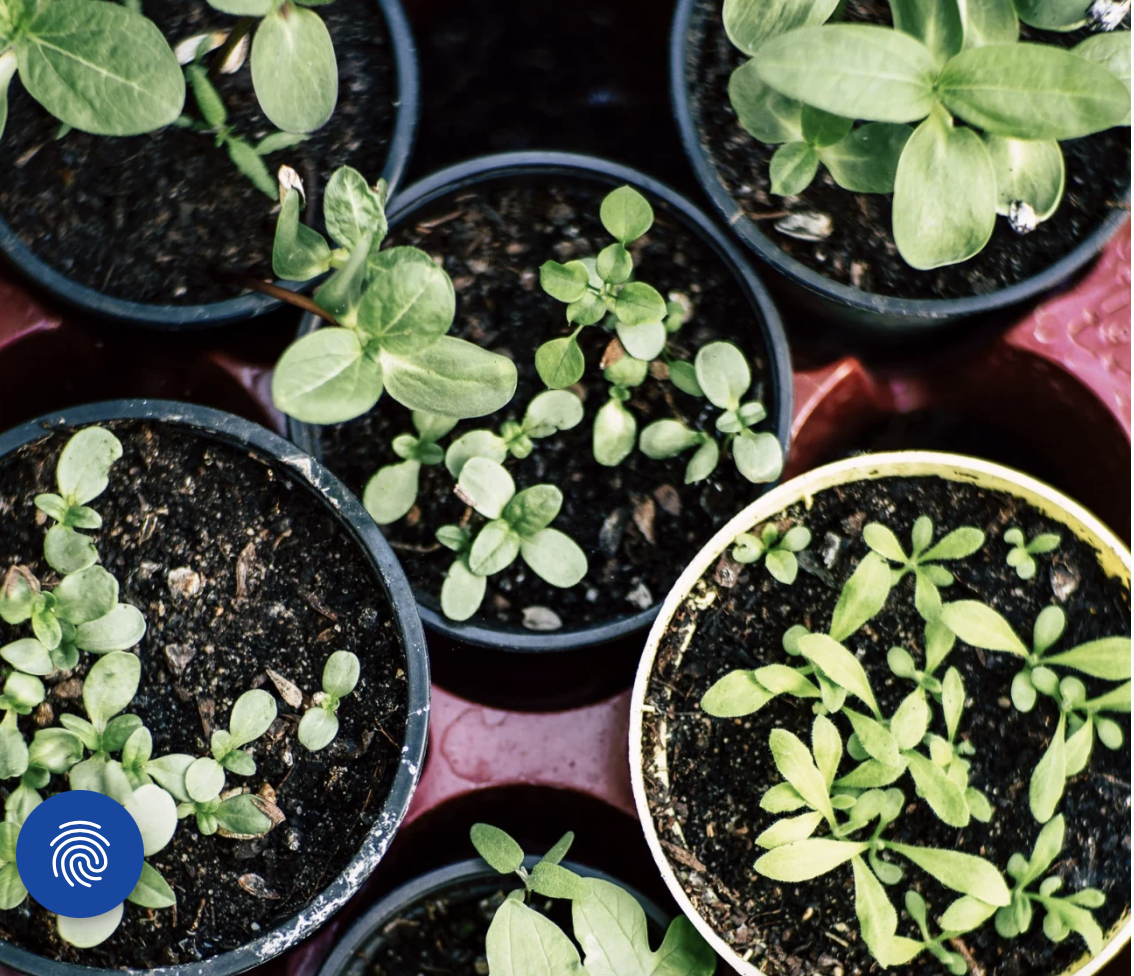
February Garden Alert
The Problem: As our Fulshear spring begins, tender new rose buds and vegetable starts are magnets for Aphids (tiny green/black bugs). Meanwhile, our local Bunnies are looking for fresh greens after the winter.
What to look for:
-
Sticky residue on leaves or "curled" new growth.
-
Missing tops of newly planted flowers or distinct 45-degree "snips" on stems.
Plants that are rabbit resistant typically have strong scents, tough leathery leaves, thorns or bitter tastes that deter them from grazing. Examples are:
- Fragrant herbs - lavender, sage, society garlic, rosemary, thyme
- Shrubs - barberry, juniper, yaupon holly, dwarf bottlebrush, loropetalum
- Perennials - foxglove, yarrow, lambs ear, vinca, daffodils, salvia, marigolds, peony, catmint
The Bonterra Fix:
- For Aphids: Use a sharp blast of water from the hose or a spray of Neem Oil.
- For Bunnies:
The "Top 5" Starters for Zone 9a/9b:
-
Texas Lantana (Sun-loving, drought-tolerant, sandpaper texture)
-
Autumn Sage (Scented foliage, attracts hummingbirds, rabbit-resistant)
-
Gulf Coast Muhly (Low-maintenance grass, beautiful fall color)
-
Turk’s Cap (Best for shade, very resilient)
-
Rosemary (Evergreen, aromatic, tough as nails)
3 Maintenance Rules for Houston Gardens:
-
The "Two-Week Rule": Even "rabbit-proof" plants are tasty when they first come from the nursery (they are full of nitrogen and water). Use a temporary wire cage for the first 14 days.
-
Avoid "Bunny Buffets": Keep clover and weeds trimmed away from your flower beds; these act like an "appetizer" that draws them closer to your main plants.
-
Check the Soil: If your soil is heavy clay (very common in Houston), make sure to add compost so these plants don't get "wet feet" while they are establishing their rabbit defenses.
-
- What's been your experience? Share in the Add comment below.

Add comment
Comments
I bought Rabbit scram from Enchanted Gardens.
It really works, as an alternative solution.